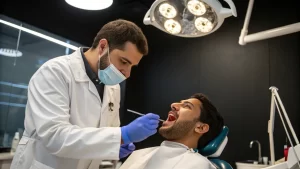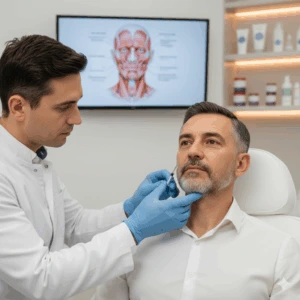
Introduction to Facial Aesthetics in Dentistry
Facial aesthetics in dentistry refers to the balance, symmetry, and harmony of facial features as they relate to the smile. While cosmetic dentistry has traditionally focused on improving the appearance of teeth, modern aesthetic dentistry now considers the entire face—including the lips, jawline, and smile proportions. This holistic approach ensures that dental enhancements complement the patient’s natural features rather than appearing isolated or artificial.
Facial harmony plays a crucial role in how people perceive beauty. A well-proportioned smile contributes significantly to a balanced facial appearance, enhancing confidence and self-expression. Patients often seek cosmetic dental treatments not only to fix specific concerns, such as discoloration or misalignment, but also to achieve a more youthful, symmetrical, and refreshed look.
As dentistry continues to evolve, facial aesthetics has become an essential aspect of treatment planning, allowing dentists to create smiles that fit harmoniously with the patient’s individual facial structure.
The Relationship Between Dental Procedures and Facial Aesthetics
Dental procedures directly influence facial aesthetics by impacting the shape, size, color, and alignment of the teeth—elements that significantly affect facial expression and proportion. Cosmetic dentistry does far more than enhance the smile; it can improve the overall appearance of the face, contributing to a youthful and balanced look.
1. Veneers and Facial Symmetry
Veneers adjust tooth size and proportion, helping balance the midline and symmetry of the face. When teeth are too small, worn down, or uneven, the lower face may appear collapsed or aged. Veneers restore proper dimensions, creating visual harmony.
2. Teeth Whitening and Youthfulness
Bright teeth naturally convey youth and vitality. Whitening treatments remove stains and discoloration caused by aging, lifestyle, or dietary habits. A whiter smile enhances overall radiance and contributes positively to facial aesthetics.
3. Orthodontics and Jaw Alignment
Crooked teeth or malocclusion (bite issues) can affect jaw positioning, cheek support, and overall facial structure. Treatments like clear aligners improve alignment, which can correct the profile, enhance cheek contours, and create straighter smile lines.
4. Gum Treatments and Proportion
Gummy smiles or uneven gums can distort facial balance. Gum contouring reshapes gum lines to reveal more tooth structure and improve smile proportions. This small adjustment can dramatically change how the upper lip and smile appear.
5. Replacing Missing Teeth to Restore Structure
Missing teeth result in sagging facial muscles, sunken cheeks, and premature aging. Dental implants or bridges restore facial volume, maintaining a natural, youthful look.
Incorporating facial aesthetics into treatment planning ensures the smile enhances—not disrupts—the overall facial appearance.
Key Cosmetic Dentistry Procedures That Enhance Facial Aesthetics
Cosmetic dentistry offers a wide range of procedures that not only beautify the smile but also contribute to overall facial balance. Here are the most impactful treatments and their role in facial aesthetics:
1. Porcelain Veneers
Porcelain veneers are custom-crafted shells designed to cover the front surface of teeth.
How they enhance facial aesthetics:
- Improve symmetry and alignment
- Add length to worn or short teeth
- Balance the proportions of the upper and lower face
- Provide a youthful, brighter appearance
Veneers create instant transformations and are particularly effective in enhancing the smile’s visibility when talking or smiling.
2. Gum Contouring
Gum contouring reshapes uneven or excessive gum tissue using laser or surgical techniques.
Aesthetic benefits:
- Corrects a “gummy” smile
- Improves smile symmetry
- Enhances tooth visibility, making teeth appear longer
- Helps align gum proportions with lip movement
Even slight gum adjustments create major improvements in facial harmony.
3. Teeth Whitening
Professional whitening treatments significantly enhance facial aesthetics by brightening the smile.
Benefits include:
- Adding vibrancy to the face
- Enhancing lip color contrast
- Giving an overall youthful look
A bright smile draws attention to the center of the face, lifting and refreshing the appearance.
4. Dental Bonding
Dental bonding uses composite resin to fix chips, gaps, or minor imperfections.
Facial improvements:
- Smoothens uneven edges that disrupt symmetry
- Corrects small gaps that affect central alignment
- Restores natural tooth shape for better smile flow
Bonding is quick, effective, and ideal for subtle aesthetic enhancements.
5. Clear Aligners (Invisalign)
Clear aligners straighten teeth without metal braces.
Impact on facial aesthetics:
- Improves jaw symmetry
- Enhances cheek support
- Creates a more balanced profile
- Highlights natural smile curvature
Correcting alignment improves both functionality and facial proportions.
6. Dental Implants
Dental implants replace missing teeth with natural-looking, permanent solutions.
Aesthetic contributions:
- Prevent facial sagging
- Restore cheek and lip support
- Recreate natural bite and jaw alignment
- Improve symmetry in cases of multiple missing teeth
Implants not only fill gaps but also help maintain facial structure long-term.
7. Smile Makeovers
A smile makeover combines multiple cosmetic treatments tailored to the patient’s needs.
Their role in facial aesthetics:
- Align treatments with facial shape (round, square, oval, heart-shaped)
- Customize tooth shade to match skin tone
- Adjust proportions to match lip and jaw movement
This comprehensive approach ensures the final result complements the entire face—not just the teeth.
The Role of a Cosmetic Dentist in Achieving Facial Harmony
Achieving true facial harmony requires more than technical skill—it demands artistic vision. A skilled cosmetic dentist understands how the teeth, gums, lips, and facial structure work together to create a balanced appearance.
Key Responsibilities of a Skilled Cosmetic Dentist
1. Understanding Facial Proportions
They analyze facial angles, symmetry, lip movement, jaw positioning, and smile width before recommending treatments.
2. Personalized Treatment Planning
No two faces are alike. A cosmetic dentist designs a plan tailored to the patient’s facial features, skin tone, tooth structure, and aesthetic goals.
3. Use of Advanced Technology
Modern tools—such as digital smile design, 3D imaging, and shade-matching systems—ensure accuracy and preview results before treatment begins.
4. Ensuring Natural-Looking Results
The dentist selects materials and techniques that blend seamlessly with the patient’s natural appearance.
What Happens During a Cosmetic Consultation?
A typical consultation includes:
- A detailed assessment of facial symmetry
- Analysis of smile lines, lip movement, and tooth proportion
- Digital scans or photographs
- Discussion of goals and expectations
- Creation of a customized treatment plan
Choosing a qualified cosmetic dentist ensures results that are beautiful, natural, and perfectly suited to your face.
Patient Testimonials and Case Studies
Real-life transformations demonstrate the power of integrating facial aesthetics into cosmetic dentistry.
Case Study 1: Veneers for Facial Symmetry
A 32-year-old patient with worn, uneven teeth underwent a veneer treatment. The results improved tooth length, smile width, and symmetry. The patient reported feeling more confident in social and professional settings.
Case Study 2: Whitening and Gum Contouring
A patient struggling with a dull smile and a gummy appearance received whitening and gum contouring. The combination brightened the smile and balanced lip-to-gum ratio, significantly enhancing facial attractiveness.
Case Study 3: Implants Restoring Facial Structure
A patient with missing teeth experienced cheek sinking and early signs of facial aging. Dental implants restored support, rejuvenated facial contours, and improved overall facial harmony.
These examples highlight how cosmetic dental treatments can dramatically improve both smile appearance and facial balance.
The Future of Cosmetic Dentistry and Facial Aesthetics
Cosmetic dentistry is no longer focused solely on teeth—it has evolved into a comprehensive approach that enhances the entire face. Integrating facial aesthetics into dental treatments leads to more natural, balanced, and youthful results. Whether through veneers, gum contouring, whitening, or full smile makeovers, today’s dental solutions prioritize facial harmony to deliver long-lasting impact.
As technology advances, the future of aesthetic dentistry will continue to blend art, science, and digital innovation, offering even more precise and customized results. Anyone considering cosmetic dental treatments should look beyond the teeth and evaluate how these enhancements can elevate their entire facial appearance.
Frequently Asked Questions
1. What are facial aesthetics in dentistry?
Facial aesthetics in dentistry involve aligning dental treatments with facial features to create balance, symmetry, and harmonious results.
2. How do cosmetic dental procedures improve facial aesthetics?
Treatments like veneers, whitening, aligners, and gum contouring improve tooth appearance, enhance symmetry, and support facial structure.
3. Can cosmetic dentistry enhance my overall appearance?
Yes. By improving the smile, cosmetic dentistry can refresh the face, enhance youthful features, and boost self-confidence.
4. What should I consider when choosing a cosmetic dentist?
Look for experience, qualifications, a strong portfolio, advanced technology, and personalized treatment planning.
5. Are there risks associated with cosmetic dental procedures?
Cosmetic dental treatments are safe when performed by a qualified dentist. Minor risks like sensitivity or temporary discomfort may occur, but they are typically manageable and short-lived.