
Professional Teeth Cleaning in Dubai for a Healthier, Brighter Smile
Keeping your teeth clean goes far beyond maintaining a bright smile. Even with excellent brushing and flossing habits, plaque and hardened deposits can build up in areas that are difficult to reach at home. Professional dental cleaning helps remove these deposits, supports healthy gums, reduces the risk of oral disease, and keeps your smile looking its best.
Our dental professionals provide gentle, comprehensive oral hygiene treatments tailored to your individual needs. Whether you’re attending your routine six-month check-up, experiencing early signs of gum inflammation, or looking to remove stubborn surface stains caused by coffee, tea, or smoking, our team creates a personalized treatment plan focused on long-term oral health.
Using modern ultrasonic instruments alongside precise hand-scaling techniques, we carefully eliminate plaque, tartar, and bacterial biofilm while protecting your natural tooth structure. Every appointment includes a thorough assessment of your teeth and gums, allowing us to identify potential concerns before they become more complex or costly to treat.
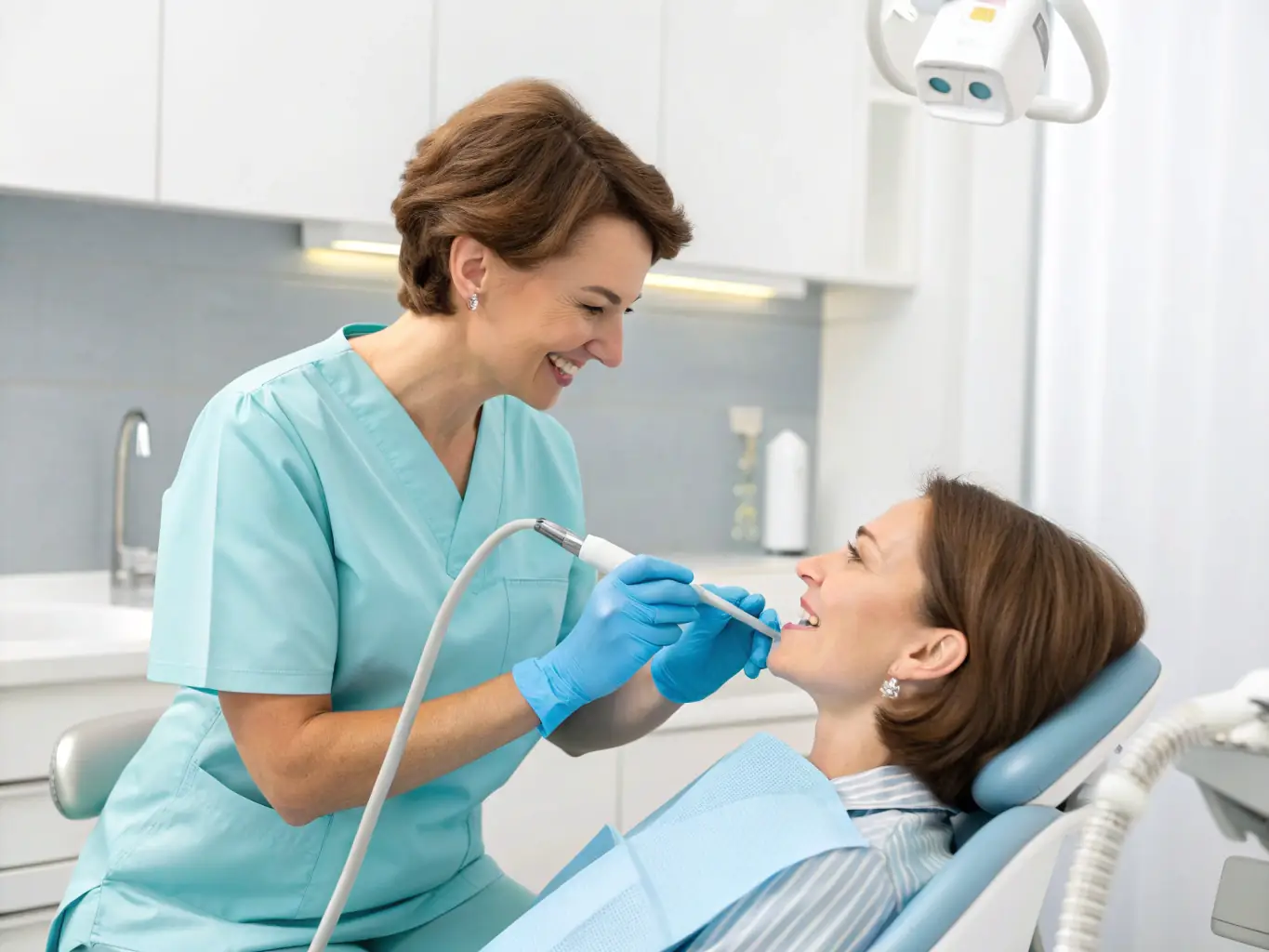
Why Regular Dental Cleaning Matters
Your mouth naturally contains bacteria that form a sticky layer known as plaque. When plaque is not removed effectively through daily brushing and flossing, it hardens into tartar (also called dental calculus). Unlike plaque, tartar cannot be removed with a toothbrush and requires professional dental instruments.
If left untreated, these deposits can contribute to:
- Gum inflammation and bleeding
- Persistent bad breath
- Tooth discoloration
- Gum recession
- Tooth decay
- Early stages of periodontal disease
- Bone loss around the teeth
- Increased risk of tooth loss over time
Routine professional cleaning removes these harmful deposits before they lead to more serious dental problems. It also gives your dentist the opportunity to monitor changes in your oral health, detect concerns at an early stage, and recommend preventive care that may reduce the need for extensive treatments in the future.
A Comfortable Experience for Every Patient
Professional teeth cleaning is a straightforward procedure designed to be as comfortable as possible. Most appointments are completed within 30 to 60 minutes, depending on the amount of plaque and tartar present.
Our clinicians take the time to explain each step of the process, answer your questions, and adapt the treatment according to your comfort level. If you have sensitive teeth, dental anxiety, orthodontic appliances, crowns, veneers, or dental implants, we use appropriate techniques to ensure effective cleaning while protecting your existing dental work.
Our goal is not only to leave your teeth feeling exceptionally clean but also to help you maintain healthy oral habits that support your smile between visits.
More Than Cosmetic Care
Many people believe professional cleaning is primarily intended to improve the appearance of their smile. While removing stains certainly enhances aesthetics, the greatest benefit is protecting your overall oral health.
Healthy gums provide the foundation for strong teeth. Removing bacterial buildup helps reduce inflammation, encourages healthier gum tissue, and lowers the likelihood of developing advanced gum disease. Maintaining good oral health may also contribute to your general wellbeing, as research continues to explore the relationship between chronic gum inflammation and certain systemic health conditions.
Free Consulation Now
Signs You May Benefit from a Professional Dental Cleaning
Your teeth can appear healthy while plaque and hardened deposits accumulate below the gumline or between teeth. These areas are difficult to clean thoroughly with a toothbrush or floss alone, making regular professional care an important part of preventive dentistry.
Consider scheduling an appointment if you notice any of the following:
Bleeding Gums When Brushing or Flossing
Occasional bleeding is often an early sign of gum inflammation rather than brushing too hard. Removing bacterial buildup around the gumline can help reduce irritation and support healthier gum tissue before the condition progresses.
Persistent Bad Breath
If unpleasant breath continues despite good daily oral hygiene, bacteria trapped beneath plaque or tartar may be the cause. A professional cleaning removes these deposits, helping restore a fresher, cleaner mouth.
Yellow or Brown Stains on Your Teeth
Everyday habits such as drinking coffee, tea, soft drinks, or red wine, as well as smoking, can leave surface stains over time. While cleaning is different from cosmetic whitening, it effectively removes many external stains and helps restore your teeth’s natural appearance.
Rough or Hard Deposits Along the Gumline
If your teeth feel rough when you run your tongue across them, hardened calculus may have formed. Once tartar develops, it cannot be removed with regular brushing and requires professional instruments.
Increased Tooth Sensitivity
Sensitivity to hot, cold, or sweet foods may indicate exposed root surfaces, gum recession, enamel wear, or plaque accumulation. A dental examination during your hygiene appointment helps identify the underlying cause and determine the most appropriate treatment.
It’s Been More Than Six Months Since Your Last Visit
Even if you are not experiencing discomfort, routine preventive care allows your dentist to detect early concerns before they become more serious. Regular maintenance is often the simplest and most cost-effective way to preserve long-term oral health.
Who Should Schedule Regular Dental Hygiene Appointments?
Professional cleaning benefits people of all ages. Your dentist or dental hygienist may recommend different intervals depending on your oral health, lifestyle, and medical history.
You may particularly benefit from routine maintenance if you:
- Have a history of gum disease
- Wear braces or clear aligners
- Have dental implants, crowns, bridges, or veneers
- Smoke or use tobacco products
- Drink coffee, tea, or other stain-causing beverages regularly
- Experience frequent plaque buildup
- Have diabetes or another condition that may affect gum health
- Are pregnant and want to support healthy gums during pregnancy
- Want to maintain a brighter, healthier-looking smile
- Are preparing for cosmetic dental treatment such as veneers or whitening
Children, teenagers, adults, and seniors all have different oral healthcare needs. Our dental team develops a personalized prevention plan based on your current oral condition rather than following a one-size-fits-all approach.
How Often Should You Have Your Teeth Professionally Cleaned?
For most individuals, a professional cleaning every six months provides an effective balance between prevention and maintenance. However, the ideal schedule varies from person to person.
Your dentist may recommend more frequent visits if you have:
- Active gingivitis or periodontal disease
- Rapid tartar accumulation
- Orthodontic appliances that make cleaning more challenging
- Dental restorations requiring closer monitoring
- Reduced saliva flow or dry mouth
- A higher risk of tooth decay
Patients with excellent oral hygiene and low risk of dental disease may only require routine maintenance at standard intervals. During each appointment, we evaluate your teeth and gums to determine the most appropriate recall schedule for your individual needs.
Prevention Is Always Better Than Treatment
Many common dental problems begin silently. Plaque can accumulate for months before discomfort develops, allowing decay or gum disease to progress unnoticed.
Preventive dental care helps:
- Reduce the likelihood of cavities
- Minimize gum inflammation
- Preserve natural teeth for longer
- Lower the risk of advanced periodontal disease
- Protect existing crowns, bridges, implants, and veneers
- Support fresher breath and improved oral hygiene
- Reduce the need for complex restorative procedures in the future
Regular hygiene appointments are not simply about cleaning your teeth—they are an investment in maintaining your overall oral health and preventing avoidable dental problems before they become more extensive.
What Happens During a Professional Teeth Cleaning?
Many patients are unsure what to expect during a dental hygiene appointment, especially if it has been several years since their last visit. Understanding each stage of the process can help you feel more confident and comfortable before your appointment.
At Ferdows Medical Center, every treatment begins with a comprehensive assessment rather than immediately starting the cleaning. This allows our dental team to tailor the procedure to your oral health and address any concerns that may require additional care.
Step 1: Comprehensive Oral Examination
Before cleaning begins, your dentist carefully examines your teeth, gums, and surrounding oral tissues. This assessment helps identify early signs of:
- Tooth decay
- Inflamed or bleeding gums
- Plaque and tartar accumulation
- Gum recession
- Tooth wear or enamel erosion
- Existing restorations that require monitoring
- Changes in overall oral health
If necessary, digital dental X-rays may be recommended to evaluate areas that cannot be seen during a visual examination.
This thorough assessment ensures your treatment is both safe and appropriate for your current dental condition.
Step 2: Removal of Plaque and Hardened Deposits
Once the examination is complete, accumulated plaque and tartar are carefully removed from the surfaces of your teeth and around the gumline.
Depending on your needs, your clinician may use:
- Ultrasonic scaling devices that gently loosen hardened deposits using high-frequency vibrations
- Precision hand instruments for detailed cleaning around individual teeth
- Specialized tools designed for crowns, bridges, veneers, and dental implants
Removing these bacterial deposits helps reduce inflammation, supports healthier gums, and lowers the risk of developing more advanced periodontal conditions.
Step 3: Gentle Tooth Polishing
After scaling, your teeth are polished using a professional polishing paste and rotating polishing cup.
This stage helps to:
- Remove minor surface stains
- Smooth the tooth surface
- Reduce areas where plaque can easily accumulate
- Improve the natural appearance of your smile
Many patients notice that their teeth feel exceptionally smooth and clean immediately after polishing.
Although polishing can improve brightness by removing external staining, it does not change the natural colour of your teeth like professional whitening treatments.
Step 4: Personalised Oral Hygiene Advice
Every patient’s oral health is different.
Before your appointment ends, your dentist or hygienist provides practical recommendations based on your individual needs, including:
- Effective brushing techniques
- Proper flossing methods
- Interdental brush recommendations
- Water flosser guidance where appropriate
- Advice for sensitive teeth
- Dietary habits that support healthier teeth and gums
- Recommendations for maintaining results between appointments
These personalised tips help you continue protecting your oral health long after leaving the clinic.
Understanding the Difference Between Routine Cleaning, Scaling and Polishing, and Deep Cleaning
Many people use these terms interchangeably, but they describe different levels of treatment depending on your oral health.
Routine Dental Cleaning
A routine cleaning focuses on removing everyday plaque, light tartar, and surface stains above the gumline.
This preventive treatment is ideal for patients with healthy gums who attend regular dental check-ups.
It helps maintain oral health and reduces the likelihood of developing cavities or gum disease.
Scaling and Polishing
Scaling and polishing provides a more thorough cleaning by removing hardened deposits from around the teeth and carefully polishing their surfaces.
This treatment is commonly recommended for patients who have:
- Noticeable tartar buildup
- Mild gum inflammation
- Surface staining from food, beverages, or tobacco
- Areas that are difficult to clean effectively at home
For many adults, this is the most common type of professional hygiene treatment.
Deep Cleaning (Root Surface Debridement)
If bacteria have spread beneath the gumline and periodontal pockets have developed, a more advanced cleaning procedure may be recommended.
Deep cleaning involves carefully removing bacteria, plaque, and calculus from below the gums while smoothing the root surfaces to encourage healthy healing.
Unlike routine maintenance, this treatment is intended to manage gum disease and may require multiple appointments depending on the severity of the condition.
Your dentist will only recommend this procedure if it is clinically necessary after examining your gums.
Modern Technology for Comfortable Dental Hygiene
Advances in dentistry have made professional cleaning more comfortable and efficient than ever before.
Our clinicians use modern equipment designed to improve precision while protecting healthy tooth structure.
Depending on your treatment requirements, your appointment may involve:
- Ultrasonic scaling technology for efficient removal of hardened deposits
- Fine hand instruments for detailed cleaning
- Digital diagnostic imaging when clinically indicated
- Comfortable polishing systems for stain removal
- Magnification for improved clinical accuracy
Using contemporary techniques allows us to provide effective treatment while keeping patient comfort a priority throughout the appointment.
How Long Does the Appointment Take?
Treatment time depends on your oral health and the amount of plaque or tartar present.
Most routine hygiene appointments are completed within 30 to 60 minutes.
Patients with heavier deposits, orthodontic appliances, or signs of periodontal disease may require additional treatment time or more than one visit to achieve the best clinical outcome.
Before your procedure begins, your dentist will explain the recommended treatment plan, expected appointment duration, and any follow-up care that may be required.
Is Professional Teeth Cleaning Painful?
One of the most common concerns patients have is whether the procedure will be uncomfortable.
For most people, dental cleaning is a comfortable experience that causes little to no pain.
If your gums are inflamed, sensitive, or if significant tartar has accumulated over time, you may experience mild temporary sensitivity during certain parts of the procedure.
Our team works carefully and at a pace that prioritises your comfort. If you have particularly sensitive teeth, previous dental anxiety, or concerns about discomfort, please let us know before treatment begins. We will adapt our approach to make your visit as relaxed and comfortable as possible.
Most patients return to their normal daily activities immediately after their appointment.
The Benefits of Professional Teeth Cleaning
A healthy smile is built on consistent preventive care. While brushing and flossing remain essential daily habits, they cannot remove hardened tartar or fully clean every area of the mouth. Professional dental hygiene complements your home routine by targeting places that are difficult to reach and identifying potential problems before they become more serious.
Supports Healthier Gums
Healthy gums provide the foundation for strong teeth. When bacterial deposits remain along the gumline, they can trigger inflammation that may progress into gingivitis or more advanced periodontal disease.
Regular professional cleaning helps:
Reduce gum inflammation
Minimise bleeding during brushing or flossing
Lower the amount of harmful bacteria around the teeth
Support the natural healing of gum tissue
Preserve the structures that hold your teeth securely in place
Healthy gums are essential not only for maintaining your natural teeth but also for protecting dental implants and other restorative treatments.
Helps Prevent Tooth Decay
Plaque contains bacteria that produce acids capable of weakening tooth enamel. Over time, this can lead to cavities that require fillings or more complex restorative procedures.
Routine hygiene appointments remove bacterial deposits before they contribute to decay, helping to reduce your long-term risk of dental disease.
Freshens Breath Naturally
Persistent bad breath is often linked to bacteria hiding beneath plaque, tartar, or along the gumline.
Removing these deposits creates a cleaner oral environment, helping many patients experience fresher breath and greater confidence in everyday conversations.
Restores a Cleaner, Brighter Appearance
Many everyday foods and drinks gradually stain the outer surface of the teeth.
Professional polishing helps remove many of these external stains caused by:
Coffee
Tea
Red wine
Soft drinks
Tobacco use
Certain highly pigmented foods
Although this treatment does not bleach the natural colour of your teeth, many patients notice that their smile appears brighter simply because surface staining has been removed.
Detects Problems Earlier
One of the most valuable aspects of preventive dentistry is early detection.
During your appointment, your dentist evaluates your overall oral health and may identify concerns before symptoms develop, including:
Early cavities
Worn fillings
Cracked teeth
Gum recession
Bite changes
Oral tissue abnormalities
Areas requiring closer observation
Early diagnosis often means simpler, less invasive, and more affordable treatment.
Why Professional Cleaning Matters Before Cosmetic Dentistry
Many cosmetic procedures achieve better, more predictable results when the teeth and gums are healthy beforehand.
Your dentist may recommend a hygiene appointment before treatments such as:
Professional Teeth Whitening
Removing plaque and surface stains beforehand allows whitening agents to work more evenly across the tooth surface, improving the final aesthetic result.
Porcelain Veneers
Healthy gums create a more accurate impression of your teeth and contribute to a better-fitting restoration with a natural-looking smile.
Clear Aligners or Orthodontic Treatment
Whether you’re beginning clear aligner therapy or wearing traditional braces, reducing plaque accumulation before treatment supports healthier gums throughout the orthodontic process.
Smile Makeovers
Patients considering multiple cosmetic procedures often begin with professional cleaning to create a healthier foundation before planning additional treatment.
Professional Cleaning for Patients with Braces, Implants, Crowns and Bridges
Some patients require additional attention because their dental appliances create areas where plaque can accumulate more easily.
Our dental team carefully adapts the cleaning technique to suit each restoration while protecting surrounding tissues.
Orthodontic Braces
Brackets and wires make brushing more challenging and increase the likelihood of plaque accumulation.
Regular professional cleaning helps reduce the risk of:
White spot lesions
Gum inflammation
Tooth decay around brackets
Persistent staining after braces are removed
Dental Implants
Although implants cannot develop cavities, the surrounding gum tissue remains vulnerable to inflammation.
Routine maintenance helps keep the tissues around implants healthy and may reduce the risk of peri-implant disease.
Crowns and Bridges
Plaque frequently accumulates around restoration margins.
Professional hygiene helps maintain these restorations while protecting the natural teeth supporting them.
Veneers
Porcelain veneers require healthy gums and excellent oral hygiene to maintain their appearance.
Routine maintenance helps preserve both the veneers and the surrounding natural teeth.
Oral Health During Pregnancy
Hormonal changes during pregnancy can increase the likelihood of swollen or bleeding gums.
Maintaining good oral hygiene throughout pregnancy supports healthier gum tissue and may reduce discomfort caused by pregnancy-related gingival inflammation.
If you are pregnant, always inform your dentist so your treatment can be planned appropriately for your stage of pregnancy and overall health.
If You Smoke or Drink Coffee Regularly
Smoking and dark-coloured beverages often accelerate stain formation and encourage plaque accumulation.
Patients who smoke or regularly consume coffee, tea, or similar drinks frequently benefit from more consistent professional maintenance to:
Remove external staining
Reduce bacterial buildup
Improve breath freshness
Support healthier gum tissue
Maintain a cleaner-looking smile between visits
Your dentist may also recommend a personalised maintenance schedule based on your lifestyle and oral health needs.
Small Preventive Visits Can Help Avoid Larger Dental Problems
Many advanced dental treatments begin with conditions that could have been identified much earlier.
Routine professional cleaning may help reduce the likelihood of needing treatment for:
Advanced gum disease
Extensive tooth decay
Tooth loss
Root canal treatment caused by untreated decay
Complex periodontal therapy
Multiple restorative procedures
Preventive dentistry is often one of the simplest ways to protect your long-term oral health while reducing the need for more extensive treatment in the future.
Investing in Your Long-Term Oral Health
Professional dental cleaning is not simply about removing stains or making your teeth feel smoother.
It is an important part of maintaining healthy gums, protecting your natural teeth, preserving existing dental work, and supporting your overall wellbeing.
Combined with good daily oral hygiene, regular dental examinations, and personalised advice from your dentist, routine maintenance helps you enjoy a healthier smile for years to come.