
Melasma Treatment in Dubai: Causes, Symptoms & Treatment Options
Learn about melasma causes, symptoms, skincare, sun protection and professional treatment options for recurring facial pigmentation.
Melasma is a common skin condition that causes dark or discolored patches to appear on the skin, especially on the face. These patches often develop slowly and can become more noticeable after sun exposure, hormonal changes, or skin irritation. While melasma is harmless, many people feel frustrated by how difficult it can be to fade.
The good news is that melasma can often be improved with the right combination of skincare, sun protection, and professional treatment. Understanding what causes it and choosing treatments carefully can make a big difference over time.
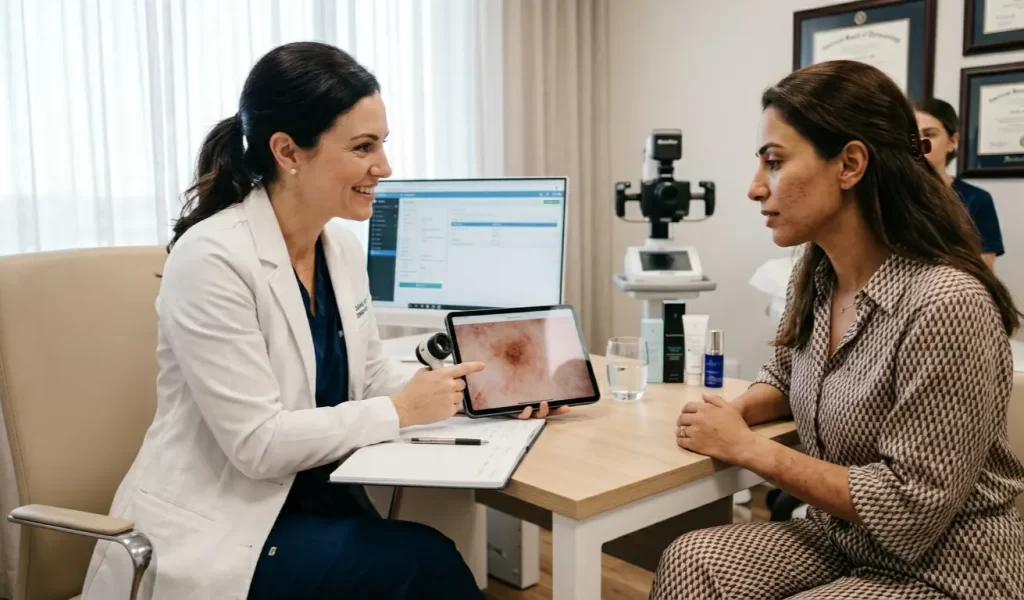
Melasma is a common skin condition that causes dark or discolored patches to appear on the skin, especially on the face. These patches often develop slowly and can become more noticeable after sun exposure, hormonal changes, or skin irritation. While melasma is harmless, many people feel frustrated by how difficult it can be to fade.
The good news is that melasma can often be improved with the right combination of skincare, sun protection, and professional treatment. Understanding what causes it and choosing treatments carefully can make a big difference over time.
What Is Melasma?
Melasma is a type of skin pigmentation that appears as brown, gray-brown, or tan patches on the skin. It most commonly affects the cheeks, forehead, nose, chin, and upper lip. In many cases, melasma on face areas develops symmetrically, meaning both sides of the face are affected in a similar pattern.
Unlike temporary dark spots that appear after acne or irritation, melasma pigmentation is usually linked to deeper changes in pigment production within the skin. The condition is more common in women, especially those with medium to darker skin tones, but men can also develop melasma.
Melasma vs Hyperpigmentation
Melasma is a form of hyperpigmentation, but not all hyperpigmentation is melasma.
General hyperpigmentation can happen after acne, cuts, inflammation, or sun damage. These spots are often smaller and easier to treat. Melasma, however, is usually triggered by hormones, sunlight, or heat and tends to appear in larger patches.
One of the main differences is that melasma often returns even after it improves. This is why ongoing maintenance and sun protection are important.
Common Symptoms of Melasma
People with melasma may notice:
- Brown or gray-brown patches on the skin
- Uneven skin tone
- Dark patches on face areas exposed to sunlight
- Pigmentation that becomes darker in summer
- Symmetrical patches across the cheeks or forehead
The condition does not usually cause pain, itching, or swelling. The main concern is cosmetic appearance.
Why Melasma Appears on the Face
Melasma commonly develops on areas that receive the most sun exposure. These include:
- Cheeks
- Forehead
- Upper lip
- Nose
- Chin
Ultraviolet light stimulates pigment-producing cells called melanocytes. Heat and visible light can also worsen pigmentation, which explains why melasma often becomes more noticeable over time.
What Causes Melasma?
Melasma develops when the skin produces too much melanin, the pigment responsible for skin color. Several factors can trigger or worsen this process.
Hormonal Changes
Hormones play a major role in many cases of melasma. Estrogen and progesterone can stimulate pigment production, which is why hormonal melasma is especially common in women.
Melasma may appear during:
- Pregnancy
- Birth control use
- Hormone replacement therapy
- Hormonal imbalances
Pregnancy Melasma
Pregnancy melasma is sometimes called the “mask of pregnancy.” Hormonal shifts during pregnancy can cause patches to appear across the cheeks, forehead, or upper lip.
In some people, pigmentation fades after delivery. In others, it may remain and require treatment.
Sun Exposure
Sunlight is one of the biggest melasma triggers. Even a few minutes of unprotected exposure can make pigmentation darker and more difficult to treat.
UV rays, visible light, and infrared heat all contribute to increased melanin production.
Heat and Light Exposure
Many people focus only on UV rays, but heat can also worsen melasma. Activities that increase facial heat may contribute to flare-ups, including:
- Hot yoga
- Steam rooms
- Cooking over high heat
- Excessive outdoor activity in hot weather
Genetics
Melasma often runs in families. If close relatives have experienced pigmentation issues, your chances of developing melasma may be higher.
Skin Irritation
Using harsh skincare products, over-exfoliating, or irritating the skin barrier can increase inflammation and trigger pigmentation changes.
Strong scrubs, aggressive peels, and certain cosmetic treatments may worsen existing melasma.
Can Melasma Be Cured Permanently?
Many people search for a permanent melasma treatment, but it is important to understand that melasma is usually a long-term condition. While it can improve significantly, it may return if triggers are not controlled.
Melasma Can Be Managed
With proper treatment, many people can:
- Fade visible pigmentation
- Achieve a more even skin tone
- Prevent worsening
- Reduce recurrence
The goal is often long-term control rather than a one-time cure.
Why Melasma Comes Back
Melasma is sensitive to triggers such as:
- Sunlight
- Hormonal changes
- Heat
- Skin irritation
Even after successful treatment, pigmentation may return if the skin is exposed to these factors repeatedly.
Maintenance Matters
Consistent maintenance is one of the most important parts of clear skin management. Daily sunscreen use, gentle skincare, and avoiding unnecessary irritation help maintain results.
People looking for a melasma cure should focus on realistic expectations and long-term skin health rather than quick fixes.
Best Melasma Treatments
The best treatment plan depends on the severity of pigmentation, skin type, lifestyle, and underlying triggers. In many cases, combining treatments works better than relying on one product alone.
Topical Prescription Treatments
Prescription treatments are commonly used for moderate to severe melasma.
Hydroquinone
Hydroquinone is one of the most widely used treatments for reducing excess pigmentation. It works by slowing melanin production in the skin.
Dermatologists may recommend hydroquinone for limited periods to reduce the risk of irritation or rebound pigmentation.
Tretinoin
Tretinoin is a vitamin A derivative that increases skin cell turnover. It helps improve skin texture and gradually fade pigmentation over time.
Because tretinoin can cause dryness or irritation, it is usually introduced slowly.
Triple Combination Creams
These creams typically combine:
- Hydroquinone
- Tretinoin
- A mild steroid
This combination is often considered one of the most effective melasma treatment options for stubborn pigmentation.
Azelaic Acid
Azelaic acid helps brighten uneven skin tone while being gentler than some stronger prescription ingredients. It may also help with acne and inflammation.
Tranexamic Acid
Tranexamic acid has become increasingly popular in melasma treatment. It may be used in topical products, oral medication, or professional procedures.
Some studies suggest it can help reduce pigment formation and improve resistant melasma.
Over-the-Counter Treatments
Many non-prescription ingredients can support melasma management and improve skin tone gradually.
Vitamin C
Vitamin C is an antioxidant that helps brighten the skin and reduce damage caused by sunlight and pollution.
Regular use may improve dullness and uneven pigmentation.
Niacinamide
Niacinamide supports the skin barrier and helps reduce the transfer of pigment within the skin. It is often well tolerated and works well in daily routines.
Kojic Acid
Kojic acid helps reduce melanin production and is commonly included in brightening serums and creams.
Retinol
Retinol encourages skin renewal and may improve mild pigmentation over time. Beginners should use it slowly to avoid irritation.
Sunscreens
Sunscreen is one of the most important parts of any effective melasma treatment plan. Without proper sun protection, other treatments may not work well.
Professional Treatments
Dermatology clinics offer procedures that may improve melasma when performed carefully.
Chemical Peels
Chemical peels remove damaged surface skin cells and may improve uneven pigmentation.
Mild peels are usually preferred because aggressive peels can sometimes worsen melasma.
Microneedling
Microneedling creates controlled micro-injuries in the skin, encouraging repair and improving the absorption of topical products.
When combined with brightening ingredients, it may help reduce pigmentation gradually.
Laser Treatments
Laser treatment can help some patients, but not all lasers are suitable for melasma. Incorrect settings or aggressive treatment may worsen pigmentation.
Low-energy lasers performed by experienced professionals are generally safer for melasma-prone skin.
LED Therapy
LED light therapy may help calm inflammation and support skin healing. While results are usually subtle, it can be used alongside other treatments.
Oral Treatments
Oral Tranexamic Acid
In selected cases, dermatologists may prescribe oral tranexamic acid for resistant melasma.
This treatment requires medical supervision because it may not be suitable for everyone.
Supplements
Some supplements containing antioxidants may support overall skin health. However, supplements alone are rarely enough to remove melasma fast.
Best Daily Skincare Routine for Melasma
A gentle and consistent routine often works better than using too many strong products.
Morning Routine
Gentle Cleanser
Use a mild cleanser that removes oil and impurities without stripping the skin.
Antioxidants
Vitamin C or other antioxidants help protect the skin from environmental damage and support brighter-looking skin.
Moisturizer
Keeping the skin barrier healthy reduces irritation and supports recovery.
Sunscreen SPF 50+
Daily sunscreen is essential, even indoors or on cloudy days. Reapply when spending time outdoors.
Night Routine
Retinoids
Retinoids help improve skin renewal and may gradually reduce discoloration.
Brightening Agents
Ingredients such as azelaic acid, niacinamide, or kojic acid can help fade pigmentation over time.
Barrier Repair
Hydrating ingredients like ceramides and hyaluronic acid help keep the skin calm and balanced.
The best skincare for melasma focuses on consistency, protection, and minimizing irritation rather than using harsh products.
Best Sunscreen for Melasma
Sunscreen is one of the most important tools for preventing melasma from worsening.
Mineral vs Chemical Sunscreen
Mineral sunscreens use ingredients like zinc oxide or titanium dioxide to reflect UV rays. They are often preferred for sensitive skin.
Chemical sunscreens absorb UV rays before they damage the skin. Some people prefer lighter textures, but sensitive individuals may react to certain formulas.
Tinted Sunscreens
Tinted sunscreen can be especially helpful because it protects against visible light, which may worsen pigmentation.
Iron Oxides
Products containing iron oxides provide additional protection against visible light exposure. This is particularly useful for people with stubborn melasma.
Broad-Spectrum Protection
Choose a sunscreen labeled:
- SPF 50 or higher
- Broad-spectrum UVA and UVB protection
- Suitable for daily use
The best SPF for melasma is one that you will use consistently every day.
Treatments That Can Make Melasma Worse
Some treatments may irritate the skin and increase pigmentation rather than improve it.
Harsh Exfoliation
Over-exfoliating can damage the skin barrier and trigger inflammation.
Excess Heat
Frequent exposure to heat can stimulate pigment production.
Wrong Laser Treatments
Strong or poorly selected lasers may worsen melasma, especially in darker skin tones.
Picking the Skin
Picking or scratching the skin increases inflammation and may lead to additional pigmentation.
DIY Remedies
Home remedies such as lemon juice, baking soda, or abrasive scrubs can irritate the skin and make pigmentation worse.
How Long Does Melasma Treatment Take?
Melasma treatment requires patience. Most people do not see overnight results.
Typical Timeline
- Mild cases may improve within 6–12 weeks
- Moderate cases may take several months
- Resistant melasma may require long-term management
Realistic Expectations
Pigmentation often fades gradually rather than disappearing completely. Consistency is more important than trying multiple aggressive treatments.
Maintenance Phase
Even after improvement, maintenance treatment is usually necessary to prevent recurrence.
This may include:
- Daily sunscreen
- Gentle skincare
- Occasional brightening products
- Avoiding triggers
When to See a Dermatologist
Professional guidance can help prevent worsening and improve treatment outcomes.
You should consider seeing a dermatologist if you have:
- Severe melasma
- Resistant pigmentation
- Rapid worsening
- Unclear diagnosis
- Hormonal concerns
- Pregnancy-related pigmentation requiring safe treatment options
A dermatologist can recommend treatments based on your skin type, medical history, and lifestyle.
Melasma can be frustrating, especially when dark patches keep returning despite skincare efforts. However, many people achieve noticeable improvement with the right approach.
The best results usually come from combining sun protection, gentle skincare, and targeted treatments while avoiding irritation and excessive heat. Because melasma is often a chronic condition, consistency matters more than quick fixes.
Working with a qualified skincare professional or dermatologist can help you choose safe and effective treatments that support healthier, more even-looking skin over time.
Concerned About Melasma or Persistent Facial Pigmentation?
If you have persistent facial pigmentation or dark patches that keep returning, book a dermatology consultation to discuss your skin concerns and appropriate melasma treatment.